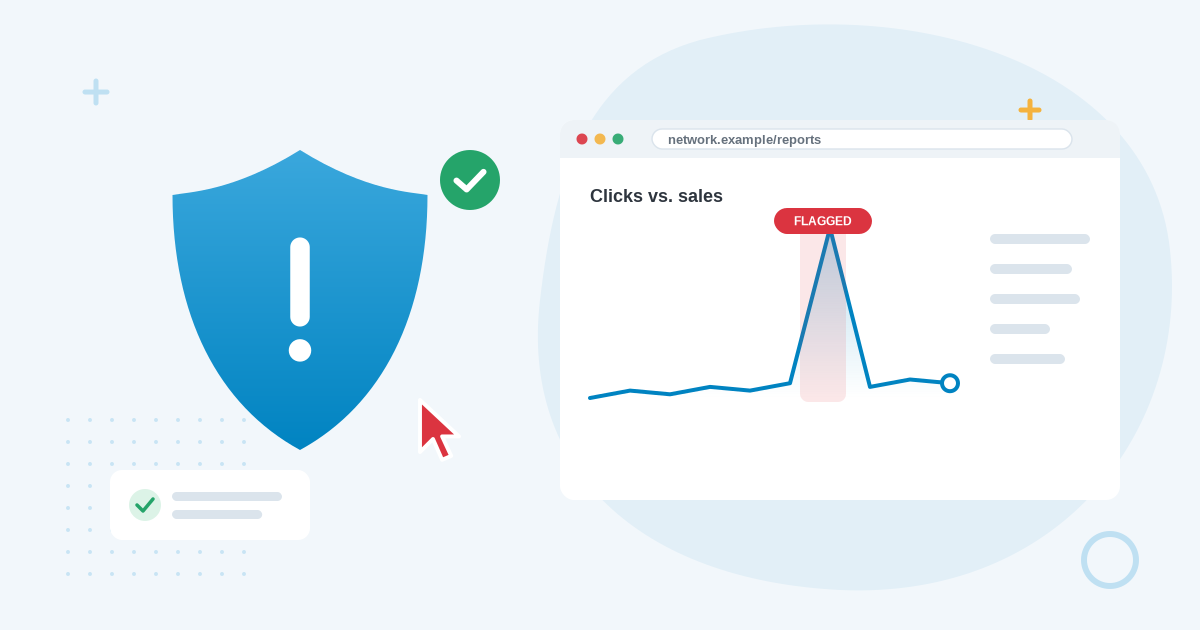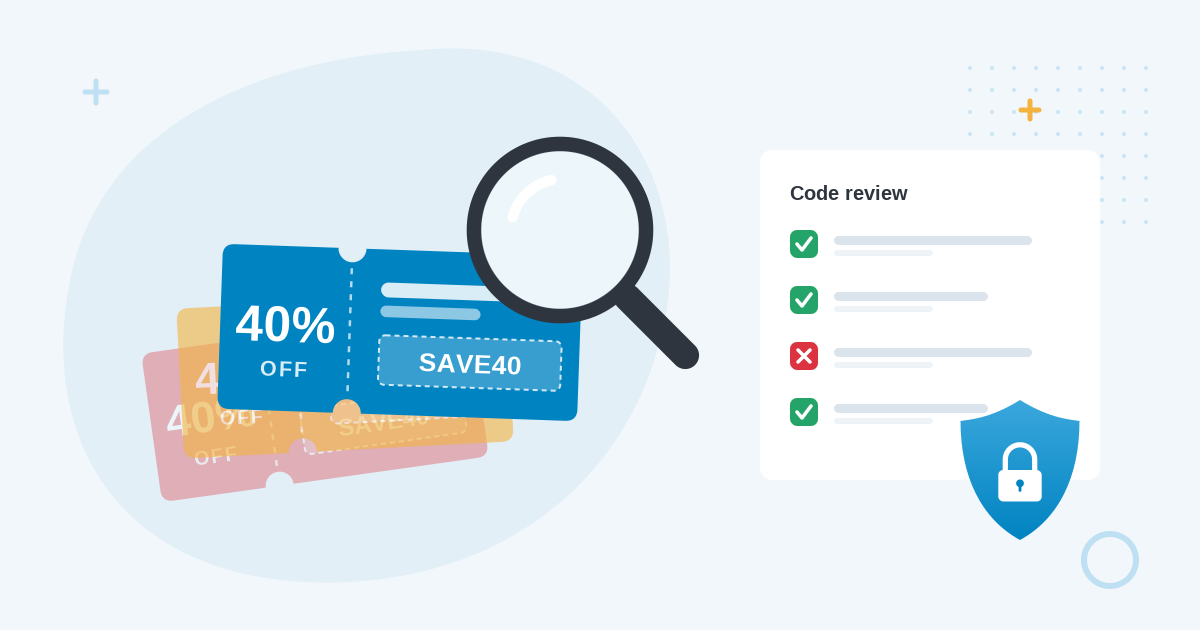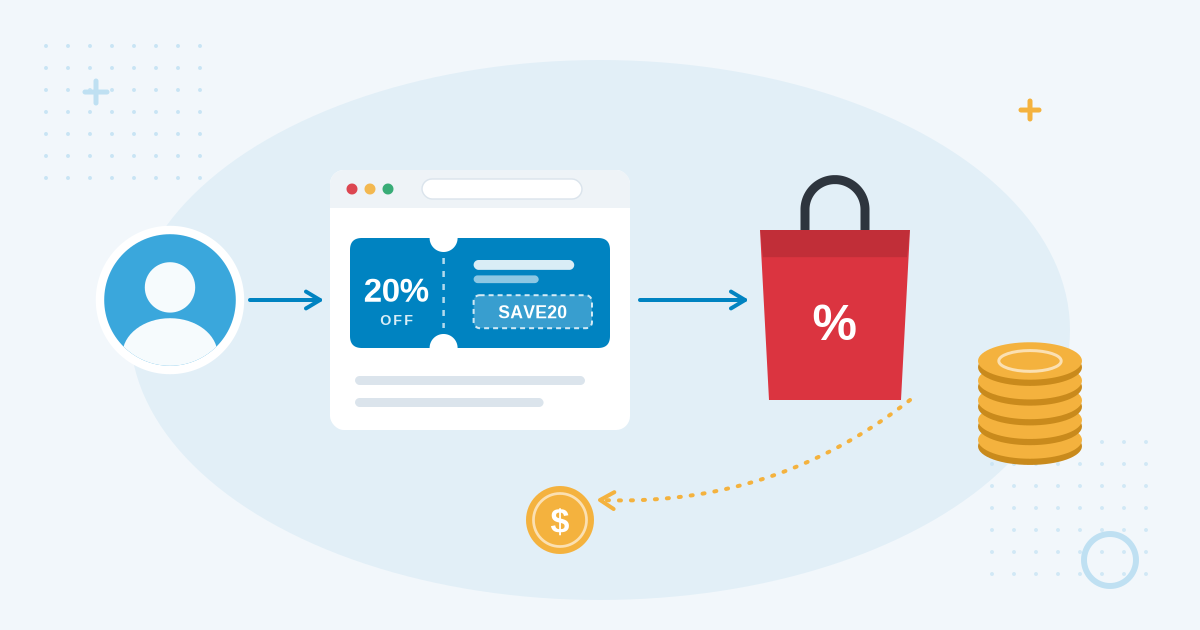
Say a coupon site in Leeds gets 300 visits a day. Shoppers reveal codes and leave for retailers, but the owner sees no commission. The offers might be genuine; the outgoing links might lack tracking, or the merchants might not accept coupon publishers. Coupon affiliate marketing needs a payment agreement as well as useful discounts. A busy site isn’t proof that either exists.
couponPHP is a self-hosted PHP coupon and deal script. Its offer imports and link integrations help you publish and monetize a site, but the software doesn’t become the merchant paying your commission. That distinction explains the original question preserved below.
How coupon affiliate marketing connects an offer to payment
A feed can deliver a valid code without delivering a payable referral. Think of two separate records: the offer tells a shopper what they can save; your affiliate agreement tells you which actions earn money.
Wikipedia’s account of affiliate marketing (accessed 2026) describes commission-based referrals and the roles of merchants and networks.[1] For your operation, those roles should translate into a named payer, an approved publisher account and a tracked destination. A code may itself provide attribution in some agreements, but you shouldn’t assume it does.
Before publishing a merchant, you can record its coupon-site eligibility, allowed promotions, commission basis, attribution window and payment conditions. A restriction on unapproved codes can make a seemingly attractive feed unsuitable. Getting that permission early saves you from building pages that can’t earn.
Choose the link route before filling the site
A mixed import setup can silently replace one affiliate tag with another. For example, a manually approved link might pass through a second monetization service on the way out. Your click report looks normal while the payer records a different referral.
Coupon affiliate marketing has several workable link routes. Direct merchant or network relationships give you explicit terms and reporting, but you manage each approval. An intermediary can reduce administration, with coverage and revenue sharing governed by its agreement. A feed carrying your network IDs can combine import and tracking when those IDs match approved programs.
The couponFeed overview explains offer supply. It shouldn’t be read as a promise that every imported offer is commissionable. For each store, one intended tracking route is easier to audit than overlapping tools. Our coupon affiliate programs guide provides a place to organize the relationships before you scale imports.
Calculate earnings after rejected sales
A high advertised rate can hide weak conversion or frequent reversals. Here’s a hypothetical 30-day model, not a forecast or a typical result:
- Visits: 300 × 30 = 9,000.
- Outgoing clicks at an assumed 20%: 9,000 × 0.20 = 1,800.
- Orders at an assumed 3% of clicks: 1,800 × 0.03 = 54.
- Gross commission at an assumed £60 commissionable order value and 5% rate: 54 × £60 × 0.05 = £162.
- Approved commission if 20% is rejected: £162 × 0.80 = £129.60.
Approved earnings per click, or EPC, is £129.60 ÷ 1,800 = £0.072. With £75 in operating costs, the remainder is £54.60 before tax and any uncounted owner time. That’s a different business from “9,000 visits equals income.”
Your assumptions should come from your own reports as data accumulates. Separate pending commission from approved commission, and compare periods after their validation deadlines. The affiliate marketing metrics guide helps connect outgoing clicks to those later payment decisions.
Make the page useful before asking for the click
A shopper with a £38 basket doesn’t benefit from discovering a £50 minimum spend after leaving your site. Missing exclusions can turn a working code into a failed experience.
You can put the minimum spend, eligible products, country and expiry beside the offer. A no-code deal should say that the discount applies at the retailer, rather than pretending a reveal button contains a code. A dated check is useful when it records an actual check, with its conditions explained.
The FTC’s Endorsement Guides FAQ (2023) calls for clear, conspicuous disclosure of affiliate relationships near the recommendation.[2] A plain statement such as “We earn commission from qualifying purchases through these links” tells shoppers what the commercial connection means. The phrase “affiliate link” alone may not do that. Our affiliate disclosure article covers placement on offer pages.
Test one store before importing hundreds
A homepage visit can conceal a broken journey. The failure might occur only after a code popup, or only on a phone. You can test a published store page, reveal or deal action, outgoing destination and tracking parameters as one sequence.
A test click isn’t a test commission. Avoid generating artificial purchases or engagement to make the report look healthy. Instead, reconcile real outgoing clicks with network reporting, allowing for reporting delays and different counting rules. If one merchant performs poorly, check eligibility and link formatting before buying more traffic.
The original 2016 post
The recovered wording below is preserved verbatim. Merchant coverage and setup claims are historical, not current guarantees. Original link markup is displayed as archive text rather than active commercial links.
A couple of people asked us “how will couponPHP pay me?”. I have to clarify something here. couponPHP is not an affiliate company. We are a software company providing you the tools to make money with a coupon / deal website. couponPHP won’t pay you for sales made through your site but we have the integrated tools from 3rd parties to enable you to earn commissions.
Here is how you can make money with the script:
Using CouponFeed
CouponFeed is couponPHP’s solution to enable you to add coupons and deals to your site automatically. couponFeed doesn’t have any affiliate information in it. So how do you make money with the feed? The answer is Skimlinks. Skimlinks is a 3rd party affiliate tool which will add affiliate info to your links when a user clicks on them. If the user buys something using your coupons you will get commissions. Skimlinks works with over 18.000 merchants so it is a much easier way to do affiliate marketing than using your own relationships direct with the merchants
How to set up Skimlinks integration:
- Register at Skimlinks
- Once you are approved enter your Skimlinks ID in your couponPHP admin area under Configuration > Manage Accounts > Skimlinks
- You are done, and earning money
Using iCodes
iCodes(icodes-us.com, icodes.co.uk) is a 3rd party feed solution integrated into couponPHP. They aggregate coupons from various affiliate networks and let you enter your affiliate network ids. couponPHP is capable of fetching coupons from iCodes feed automatically and you will comission directly from the network if a user buys something using your links
How to set up iCodes:
- Register at icodes-us.com or icodes.co.uk
- Set up your affiliate ids in their interface
- Enter your iCodes API key in your couponPHP admin area under Configuration > Manage Accounts > iCodes
Using your own links
couponPHP of course also allows you to use your own affiliate links. You can enter them one by one by going Coupons > Add new coupon in your admin area. Or you can import them via CSV under Feeds / Import > Import CSV. Most affiliate networks allow you to export coupons into a csv file. You can just download them and modify the format to match the one in the example and you are good to go
Display ads
Of course you can make money using display ads as well. You can add your Adsense or other banner ads in the admin area under Configuration > Text widgets / Ads
Frequently asked questions
Who pays a coupon website its affiliate commission?
The merchant, affiliate network or monetization intermediary pays under its agreement with the publisher. Your website software does not pay you for sales. You need an approved account, correctly tracked links and qualifying transactions. A coupon feed supplies offers, but that alone does not establish a commission relationship or guarantee payment.
Can a coupon website make money without exclusive codes?
Yes, if its affiliate agreements permit the offers it publishes and its referrals qualify for payment. Public codes, no-code deals and useful shopping comparisons can support the business. Exclusive codes may help distinguish a site, but accurate restrictions, current offers and a clear reason to trust your selection matter too.
Which metric should I use to compare merchants?
Compare approved earnings per outgoing click over comparable reporting periods, alongside the proportion of rejected sales. This connects income to the traffic you send rather than to headline commission rates. Keep different countries and traffic sources separate where possible, and allow enough time for returns and validation before treating reported earnings as final.
Give every live store a named payer
Your next coupon affiliate marketing improvement can be small: identify the payer, approved tracking route and promotion permissions for each live store. Any page missing one of those details needs attention before it needs more visitors.