
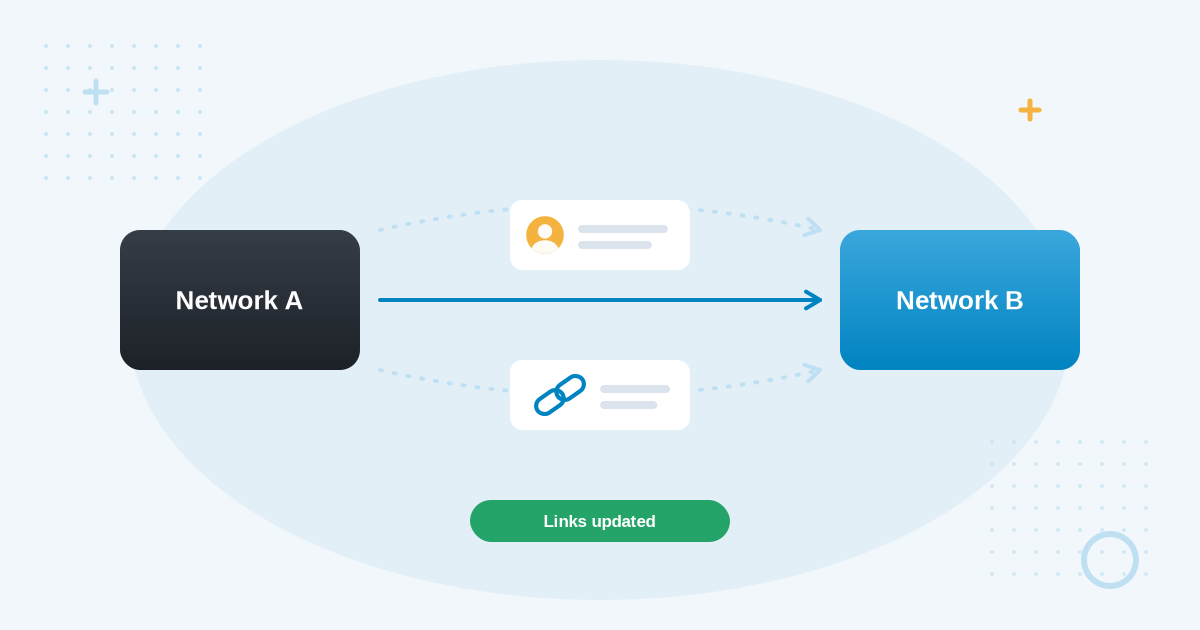
Searching for a ShareASale affiliate program can lead you to an old signup guide instead of the merchant relationship you need today. Say your coupon site has a kitchenware store page with years of tracking links. After a platform change, the page still loads, but that tells you nothing about feed access, advertiser permission or commission reporting.
Your priority is checking the relationship before refreshing the catalog. couponPHP is a self-hosted PHP coupon and deal script whose affiliate plugins import offers manually or on server cron. The historical connector helped automate those imports; it doesn’t prove that a former network’s interface still works.
Where the ShareASale affiliate program moved
ShareASale was acquired by Awin in 2017, and its standalone platform shut down on 6 October 2025. Wikipedia’s ShareASale article (accessed 2026) records both changes.[1] For current publishing, look at the merchant’s Awin program or whatever affiliate arrangement it now uses.
This matters beyond the login screen. A migration can change credentials, merchant identifiers, feed fields and where you find reports. Don’t treat the old plugin name as evidence of compatibility. Confirm the supported connector and account route through integration support before enabling automated imports.
A useful first step is an inventory: current store page, historical merchant ID, affiliate account, tracking-link format and feed source. Keep the old IDs as reference fields while you map the replacement. Otherwise, the same merchant can become two stores and split your click history.
Apply as a coupon publisher, not an unspecified website
A merchant reviewing “general shopping content” can’t tell how you’ll distribute codes. An application that explains your coupon model is more useful, even if it invites closer scrutiny.
Prepare working pages, accurate contact and business details, and the payment or tax information requested by the current platform. Explain your traffic sources, intended countries and editorial checks. If you haven’t launched, describe the plan honestly rather than turning projected visits into reported traffic.
Then inspect the individual advertiser’s application and terms. Networks are intermediaries between publishers and merchant affiliate programs, as Wikipedia’s Affiliate network article explains (accessed 2026).[2] A network account doesn’t establish that every merchant accepts your methods.
Say your site focuses on baking equipment and compares starter bundles with item-level discounts. Show that page in your application and explain how you’ll keep exclusions visible. Specific usefulness is easier to assess than a promise to publish thousands of codes. The coupon affiliate program guide helps you compare advertiser fit before you apply.
Recheck coupon permissions after a migration
A public code may reduce a shopper’s total yet fail to qualify for affiliate commission. It may also be a code the merchant doesn’t allow you to publish. These are separate checks.
Your current merchant record should identify approved code sources, geographic eligibility, minimum spend and product exclusions. Ask how new-customer offers are treated and whether private, email-only or customer-service codes may be distributed. A code copied from another publisher is not proof of authorization.
Check your intended channels too. Permission for an organic store page doesn’t automatically cover paid search, brand bidding, cashback or an email newsletter. Keep written answers where terms are unclear, because the next scheduled import shouldn’t decide those questions for you.
Review the attribution window, validation period and payment conditions. The attribution window concerns which referred purchases may qualify; the validation period allows recorded sales to be checked before approval. Don’t assume a familiar percentage is still valid because you remember it from a ShareASale affiliate program years ago.
Budget API requests before scheduling cron
The original announcement warned that fetching a new merchant’s image and domain consumed extra requests. That’s a useful engineering lesson, but it isn’t a current Awin limit.
Say a hypothetical import uses one request for offers and discovers 20 new merchants requiring two requests each. The first batch uses 1 + (20 × 2) = 41 requests. A repeat run that discovers no new merchants may use fewer. This example illustrates the old announcement’s request pattern, not the behavior of a current API.
Measure the installed connector before choosing its schedule. Record pagination, metadata lookups and retries as well as the main feed request. Cache merchant data where the integration supports it, and leave quota headroom for failures. Our coupon API guide explains how to assess a feed without equating coupon count with request count.
A failed request shouldn’t start an immediate retry loop. RFC 9110, the IETF’s HTTP Semantics standard (2022), defines Retry-After as a delay before a follow-up request.[3] Where the API supplies it, your connector should respect it.
Run a small migration test before a full import
Two jobs can create duplicate coupons even when both report success. A worse failure overwrites edited conditions or deletes live offers because a temporary feed error looks empty.
Test one approved merchant manually. Check source offer IDs, tracking URLs, codes, dates and store mapping. Confirm that repeated imports update the same records and preserve editorial fields that shouldn’t be overwritten. Then use the cron setup guide for your installed version.
A production run needs a lock against overlap, a completion timestamp and counts for fetched, updated, expired and rejected records. Separate authentication failures from valid empty feeds. Preserve the last good data until you know what the response means, while still expiring coupons whose known end date has passed.
Don’t label a refreshed feed “tested at checkout.” For US-facing recommendations, the Federal Trade Commission’s Endorsement Guides Q&A (2023 revision) also calls for clear disclosure of material connections.[4] A plain commission explanation near the offer avoids making readers guess how the site is paid.
The original 2016 announcement
The announcement below describes the December 2016 release. Its price, domain limits and API observation are historical, not current Awin terms.
We are delighted to inform you that the Shareasale integration plugin for CouponPHP script is ready for download.
It can be run manually from your admin panel or automatically from your server’s cronjobs interface. It automatically imports all the available coupons and deals from your account and creates new stores if they haven’t been created before.
We’ve noticed that by default Shareasale has quite a low API calls limit per month, so if you have plenty of offers and merchants it may hit the limit pretty soon, as for every new merchant we have to make 2 additional calls: to fetch its image and its domain. The plugin’s price is $29 and it can be purchased in your member area, it has the same limits on domains it can be installed on as your CouponPHP license.
Also check out all other plugins we have available for CouponPHP script.
Frequently asked questions
Can I join a ShareASale affiliate program in 2026?
ShareASale’s standalone platform closed on 6 October 2025 after the move into Awin. For a merchant previously listed there, check its current Awin program or its present affiliate arrangement. Don’t assume the old program terms, credentials or feed endpoint still apply. Merchant participation and permission for coupon publishers must be checked individually.
Do old ShareASale tracking links need replacing?
Don’t replace every old link blindly, and don’t assume every link remains valid. Inventory your tracking URLs by merchant, then confirm the supported link format and your current publisher relationship. Test representative destinations and use permitted tracking diagnostics. Keep a record of changes so you can compare reporting before and after a link update without confusing different publisher or advertiser IDs.
Does the old plugin’s API limit still apply?
The original announcement describes a low monthly ShareASale API allowance and extra requests for merchant images and domains. That is historical behavior, not an Awin quota. Check your current account’s API permissions and limits, then measure requests made by the installed connector. Cache merchant information where supported and allow room for retries before choosing a cron schedule.
Keep historical IDs until the new records reconcile
A successful import is only one migration checkpoint. Keep your merchant mapping until links, offer updates and approved commission reports agree; otherwise, you’ll remove the evidence needed to diagnose the next mismatch.


